Selecting the right kinetic typography tools can transform your motion graphics workflow, dramatically reducing keyframing overhead while unlocking sophisticated text animations. In the fast-evolving digital space, animated type serves as a primary vehicle for storytelling, video intros, brand identities, and high-converting UI elements. As motion design demands grow increasingly complex, relying solely on basic manual keyframing is no longer efficient.
At One Code Stream, we continuously test leading animation platforms, vector runtimes, and rendering pipelines to evaluate how modern creative suites handle complex typographic mechanics. Modern kinetic text workflows require responsive layout rules, expression-driven dynamic timing, real-time previewing, and versatile export formats—ranging from 4K ProRes renders to lightweight WebGL runtimes.
This technical guide evaluates seven leading creative platforms engineered specifically for animating dynamic letterforms, analyzing vector control engines, procedural automation capabilities, and rendering efficiency.
Understanding Modern Kinetic Typography Tools
Before selecting a platform, it is essential to understand how modern kinetic typography tools process text vectors and rasterize keyframes. Traditional animation workflows relied heavily on manual point-to-point interpolation. Modern platforms, however, utilize procedural node graphs, spring dynamics engines, and sub-object text selectors to automate character-level movement.
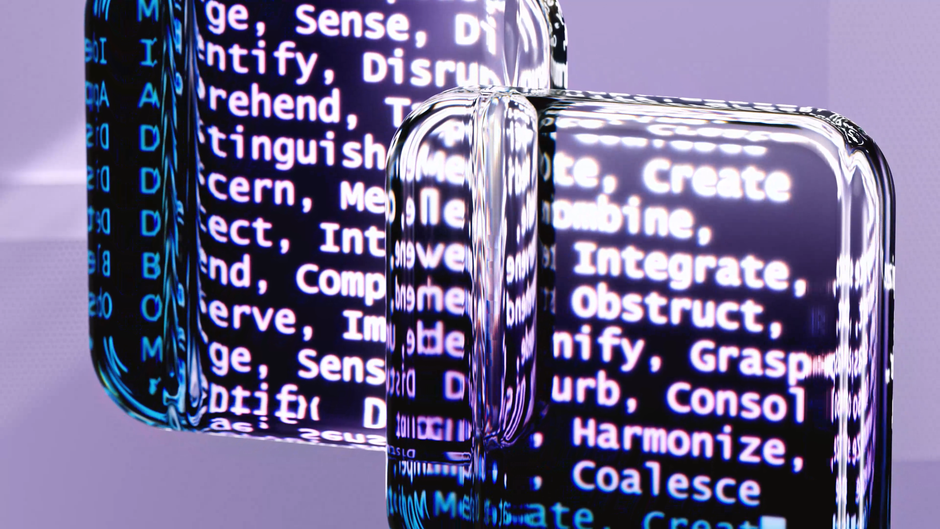
Key technical parameters to evaluate when choosing an animation environment include:
- Character-Level Indexing: The ability to isolate individual glyphs, lines, or words automatically without breaking letterforms into separate vector shape layers.
- Procedural Falloff Controls: Utilizing fields, noise shaders, and spatial radiuses to drive text animation without creating hundreds of manual keyframes.
- Dynamic Text Wrapping & Reflow: Ensuring responsive text layouts adjust dynamically when source strings, translations, or data feeds change.
- Runtime Web Export: Direct vector compilation to JSON, Lottie, or specialized runtimes for interactive web and application development.
1. Adobe After Effects: The Industry Standard for Expression Control
Adobe After Effects remains one of the foundational kinetic typography tools in professional production environments. Its native Text Animator engine allows animators to manipulate character position, scale, rotation, tracking, and opacity using Range, Wiggly, and Expression selectors.
Through the integration of ExtendScript and JavaScript expression engines, motion designers can write procedural routines that automate text reveals based on audio amplitude or custom UI sliders. To learn more about native compositing features, consult the official Adobe After Effects Documentation.
Core Technical Strengths:
- Advanced character, word, and line index selectors.
- Robust expression engine supporting complex math functions and dynamic text linking.
- Vast ecosystem of third-party plugins and GPU-accelerated motion blur scripts.
2. Cavalry: Procedural Vector Powerhouse
Cavalry stands out among modern procedural kinetic typography tools. Built specifically for 2D vector graphic design and procedural animation, Cavalry treats text as dynamic dynamic indices that can be scattered, arrayed, and modified using physics engines and math nodes.
Unlike traditional linear timelines, Cavalry uses a node editor and variable links. You can map text kerning to distance fields, link font weight dynamically to audio frequencies, or deform typography along procedural vector paths with real-time viewport feedback.
“Procedural node architecture allows designers to build scalable kinetic type systems that adjust instantly to localized language changes or content length variations.”
3. Rive: Real-Time Interactive State Machines
When kinetic typography must react dynamically to web user inputs, cursor hover states, or app trigger events, Rive redefines real-time interactive kinetic typography tools. Rive operates using an advance state machine system that exports lightweight runtime files capable of running directly in web browsers or desktop engines at 60+ FPS.
Instead of rendering static video files, Rive compiles vector graphics and typography into dynamic assets. Designers can inspect vector setups, build skeletal rigs for character fonts, and manipulate vector points directly via code using the Rive Animation Engine runtime libraries.
4. Cinema 4D: MoGraph Text & Spatial Dynamics
For high-end three-dimensional typography, Cinema 4D stands among 3D-centric kinetic typography tools. Its MoGraph module includes the MoText object, which builds fully extruded, bevelled 3D geometry directly from TrueType and OpenType fonts.

By pairing MoText with Effectors (such as Plain, Delay, Shader, and Random Effectors), designers can perform complex character-level spatial transformations. Soft-body dynamics and collision engines allow letters to react to physical gravity, wind, and rigid object collisions with physically accurate rendering engines like Redshift.
Ready to Build, Fix, or Scale Your Website?
One Code Stream engineers high-speed, conversion-focused websites, custom web applications, and e-commerce solutions for global businesses. Let’s turn your vision into measurable digital growth.
5. Jitter: Rapid Web-Based Motion Prototyping
Jitter brings desktop-grade keyframing capabilities directly to the web browser. As cloud-native web design workflows expand, Jitter provides motion designers with a streamlined interface for building UI motion, video lower thirds, and kinetic typographic sequences without taxing local hardware GPU resources.
It supports direct import from UI layout systems like Figma, retaining text layer hierarchies and permitting instantaneous character, word, and paragraph animation presets that render seamlessly to MP4, WebM, or animated GIF formats.
6. Motion Bro / TypoKing: Modular Scripting & Preset Suites
For high-volume production environments, specialized extensions like TypoKing operating on the Motion Bro panel extend core host applications. These extensions function as dedicated script management systems within After Effects, giving motion artists fast access to hundreds of modular kinetic presets.
These modular extensions automate the creation of text bounding boxes, elastic bouncing curves, kinetic glides, and dynamic camera transitions. They allow production studios to maintain consistent typographic branding across tight delivery deadlines.
7. SVGator: Direct Vector Animation for Web Runtimes
SVGator is a web-based vector animation tool engineered specifically for exporting clean code. When animating vector text for web banners, interactive UI elements, or landing page heroes, SVGator provides a dedicated timeline interface that generates native SVG and CSS/JS code outputs.
Because the output relies on native vector DOM nodes, kinetic type sequences built in SVGator remain resolution-independent, ultra-lightweight, and indexable by search engine crawlers.
Comparative Technical Analysis of Leading Platforms
To help you select the ideal production software based on render capabilities, platform accessibility, and runtime efficiency, the table below compares core features across all seven solutions:
| Tool Name | Primary Platform | Animation Architecture | Export Formats | Best Use Case |
|---|---|---|---|---|
| Adobe After Effects | Desktop (macOS / Win) | Layer-Based / Expressions | ProRes, MP4, Lottie (via plugin) | Complex Compositing & Commercials |
| Cavalry | Desktop (macOS / Win) | Procedural / Node Graph | MP4, WebM, Lottie, SVG | Data-Driven & Generative Motion |
| Rive | Web / Desktop Application | State Machine Runtimes | .riv Binary, WebGL, iOS/Android | Interactive UI & Real-time App Motion |
| Cinema 4D | Desktop (macOS / Win) | 3D MoGraph / Dynamics Engine | AOV Pass Sequences, OpenEXR | 3D Typographic Visuals & VFX |
| Jitter | Cloud Web Browser | Timeline Presets | MP4, WebM, Lottie, GIF | Fast Social Content & UI Prototyping |
| TypoKing / Motion Bro | AE Script Extension | Modular Rigged Presets | Host Dependent (AE Pipeline) | |
| SVGator | Cloud Web Browser | Vector CSS / JS Timelines | SVG Code, Animated SVG, Mobile Web | Web Landing Pages & Lightweight Icons |
How to Choose the Best Kinetic Typography Tools
Choosing between web-based and desktop-native kinetic typography tools depends primarily on your target delivery platform and dynamic content requirements.
1. Delivery Format Requirements
If your ultimate output is a broadcast spot, cinematic teaser, or high-definition video, traditional raster compositors like After Effects or 3D engines like Cinema 4D remain superior. However, if your animated typography must live natively on the web or within a mobile UI, dynamic runtimes like Rive or SVGator prevent asset pixelation and maintain tiny file sizes.
2. Scalability and Automation Needs
When working on enterprise branding projects where text content changes across hundreds of localized variants, procedural systems like Cavalry excel. Using data connectors (such as CSV or JSON feeds), cloud-assisted kinetic typography tools reduce local render times by programmatically updating source strings without requiring keyframe adjustments.
Optimizing Performance in Kinetic Typography Tools
When working with complex kinetic typography tools, CPU bottlenecks and viewport lag can slow down creative iteration. To maintain real-time performance when manipulating thousands of individual letter vectors simultaneously, implement these technical optimization techniques:
- Convert Text Outlines Selectively: Keep live text objects as native font layers during layout, converting to vector outlines only when applying custom point manipulation.
- Utilize Proxy Renders: Pre-render heavily scripted dynamic text rigs into intermediate ProRes or render cache files when working on large compositing timelines.
- Leverage GPU-Accelerated Effects: Ensure text transformation effects rely on Metal or DirectX hardware acceleration rather than CPU software fallback modes.
Conclusion: Elevating Your Motion Graphics Pipeline
Investing in the right kinetic typography tools enables motion designers to create expressive, visually compelling typographic sequences efficiently. Modern motion graphics workflows require a flexible combination of procedural nodes, expression controls, interactive state engines, and cloud rendering techniques.
By integrating tools like After Effects for compositing, Cavalry for procedural generation, and Rive for web runtimes, creative teams can master the full spectrum of animated typography across all digital media formats.