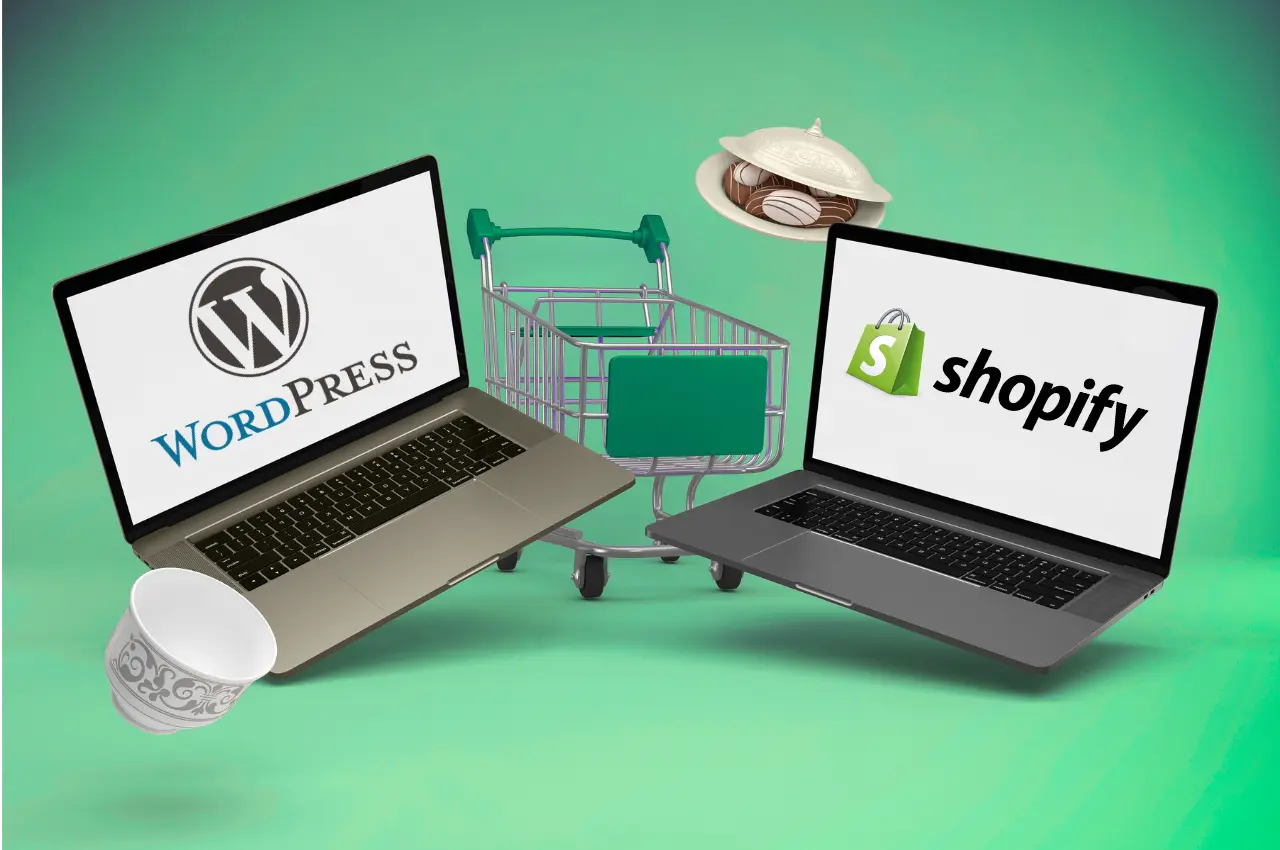

Scaling an enterprise e-commerce platform requires moving far beyond basic title tag adjustments and automated app installations. Modern enterprise merchants implementing Advanced Shopify SEO must address deep architectural limitations inherent to hosted storefronts, ranging from rigid URL routing hierarchies to client-side liquid rendering bottlenecks.
Shopify provides an exceptional turn-key framework for commerce, but its underlying framework presents distinct technical challenges for search engine crawlers. By taking control of custom Liquid templates, modifying automated canonicalization logic, and optimizing crawl budget efficiency, developers and search strategists can unlock massive organic visibility gains. Executing Advanced Shopify SEO requires a holistic engineering approach that aligns server-side theme mechanics with modern search engine indexation algorithms.
Mastering Architecture for Advanced Shopify SEO
To establish a search foundation capable of dominating competitive industry verticals, engineers must understand how Shopify manages routing, database access, and frontend markup delivery. Unlike headless or custom-built frameworks where developers maintain complete authority over every HTTP route and canonical reference, Shopify enforces a rigid taxonomy based around hardcoded directories such as /products/, /collections/, and /pages/.
This taxonomy introduces specific technical trade-offs. The primary issue stems from how internal links are generated within collection templates. When users browse a collection, Shopify automatically formats product links using collection-scoped paths like /collections/frontpage/products/blue-widget. However, the definitive canonical location for that item remains /products/blue-widget. This default configuration creates massive internal canonical mismatch, forcing search engine crawlers like Googlebot to process millions of duplicate internal links before discovering the true canonical destination. A core principle of Advanced Shopify SEO involves systematically refactoring Liquid code to ensure all internal links point directly to root product URLs.
Architectural hygiene forms the bedrock of search visibility. Relying solely on self-referential canonical tags to fix internal routing inefficiencies wastes crawl budget and dilutes internal link equity across duplicate directory layers.
Engineers looking to optimize theme mechanics can inspect official technical documentation on the Shopify Developer Center to better understand template scope, Liquid drops, and route customization interfaces. Correcting structural routing issues at the codebase level guarantees that internal PageRank flows directly to primary indexable pages without passing through unnecessary canonical redirection loops.
7 Technical Tactics to Execute Advanced Shopify SEO
Implementing high-impact optimizations across complex product catalogs requires structured, scalable programmatic solutions. Below are seven technical methods designed to eliminate native framework limitations and maximize organic search performance.
1. Liquid Customization for Advanced Shopify SEO Execution
The standard Liquid code present in many default Shopify themes relies on the within: collection filter when rendering product grid cards. This filter appends the current collection path to the product link, generating duplicate URL paths across your site architecture. To execute effective Advanced Shopify SEO, developers must locate and modify this liquid logic within theme snippets such as product-card.liquid or main-collection-product-grid.liquid.
By replacing instances of {{ product.url | within: collection }} with {{ product.url }}, the theme output shifts entirely to direct product paths. This simple modification cleans up internal link graphs across the entire store, allowing search crawlers to discover, evaluate, and index root product pages instantly without relying on secondary canonical mapping.
2. Programmatic JSON-LD Schema Architecture
While many third-party Shopify apps promise automated rich snippet integration, they frequently inject bloated, unoptimized JavaScript bundles into the document head, slowing down site execution times. A superior approach involves constructing native, programmatic JSON-LD scripts directly inside the theme.liquid layout or dedicated section files.
By building schema definitions using dynamic Liquid variables, developers can render clean, highly structured markup for Product, AggregateRating, Offer, Organization, and BreadcrumbList schema types directly within the initial server response. This ensures zero client-side processing delay and zero layout shifts caused by external JavaScript schema injectors.

3. Dynamic Control Over Robots.txt and Indexation Directives
Historically, Shopify locked down the robots.txt file, preventing store owners from blocking low-value backend query strings, internal search results, or tag filters. Modern Shopify development allows full control over crawler behavior through the creation of a robots.txt.liquid custom template file.
Utilizing a custom robots.txt.liquid template allows technical SEO teams to define strict rule sets. You can explicitly block search bots from crawling unwanted URL parameters, such as faceted collection filters (e.g., ?filter.v.price= or ?sort_by=), internal customer accounts, and auto-generated collection pagination limits. Preventing crawlers from executing low-value requests ensures maximum crawl capacity is spent on core revenue-generating product catalog routes.
Ready to Build, Fix, or Scale Your Website?
One Code Stream engineers high-speed, conversion-focused websites, custom web applications, and e-commerce solutions for global businesses. Let’s turn your vision into measurable digital growth.
4. Core Web Vitals Optimization via Liquid Asset Management
Page speed and user experience metrics directly influence search engine performance. Achieving elite Core Web Vitals performance—specifically Interaction to Next Paint (INP) and Largest Contentful Paint (LCP)—requires granular asset orchestration in Liquid templates. Sustained execution of Advanced Shopify SEO requires strict control over resource loading priorities.
- Fetch Priority Optimization: Preload critical LCP hero images inside
theme.liquidusing<link rel="preload" as="image" href="{{ 'hero.jpg' | image_url: width: 1200 }}" fetchpriority="high">. - Lazy Loading Non-Critical Images: Apply native
loading="lazy"anddecoding="async"attributes to all below-the-fold collection thumbnails and promotional media. - Script Deferral: Restructure third-party app scripts by wrapping them in non-blocking async loaders or utilizing modern app block frameworks that execute post-DOM render.
5. Faceted Navigation Strategy and Indexation Management
Faceted navigation allows store visitors to refine collection views by size, color, material, and availability. However, native Shopify storefront filtering generates dynamic URL parameters that can create thousands of duplicate indexable pages, causing index bloat and diluted ranking potential. Addressing these dynamic parameter routes demands sophisticated Advanced Shopify SEO indexing logic.
To protect search visibility, developers should implement dynamic canonical rules and automated noindex meta tags inside the theme header. When a user selects a filter that produces a non-search-intent parameter combination (such as price ranges or dynamic sorting orders), a conditional statement inside theme.liquid can automatically append a <meta name="robots" content="noindex, follow"> tag, preserving crawl equity while enabling smooth user navigation.

6. Multi-Region Localization with Subfolder Hreflang Tags
For international enterprise brands operating across multi-market setups, cross-border SEO requires flawless implementation of language and regional targets. Shopify Markets enables stores to serve multiple subfolder domains (e.g., /en-ca/, /fr-fr/, /de-de/) from a single unified store backend.
To guide search engines toward the appropriate regional version, developers must inject automated `hreflang` link attributes into the primary template header. Implementing multi-market structures through clean subfolders alongside strict hreflang tags prevents cross-region duplicate content penalties and ensures global shoppers land on localized product pages with proper currency and language defaults.
7. Enterprise Crawl Budget Management for High-SKU Catalogs
When managing catalogs spanning tens of thousands of dynamic SKUs, search engines enforce strict resource limits regarding how frequently and deeply they crawl a store. Large e-commerce sites often suffer from crawler stagnation, where high-margin products remain unindexed for weeks due to unoptimized site architecture.
An effective strategy for high-SKU enterprise catalogs requires strict crawl optimization. Implement dynamic XML sitemaps split by product vendor or sub-category, prune discontinued or out-of-stock items using clean 410 Gone status responses, and remove obsolete collection tags to ensure search engines dedicate maximum crawling capacity to high-margin, highly searchable inventory.
Native Shopify Capabilities vs. Advanced Technical Customization
While native Shopify functionality serves small to mid-sized e-commerce storefronts effectively, enterprise-level brands require highly customized code adjustments to achieve peak search engine performance. The comparison table below highlights the operational differences between standard configurations and programmatic enterprise strategies.
| SEO Dimension | Native Shopify Functionality | Advanced Custom Technical Strategy |
|---|---|---|
| Internal Product Linking | Links through collections (creates duplicate URL paths) | Direct canonical product linking refactored via Liquid code |
| Structured Data / Schema | Basic meta tags or third-party app scripts | Native JSON-LD integrated directly into server-side Liquid markup |
| Crawl Directives | Default static robots rules with limited editing | Custom robots.txt.liquid logic blocking dynamic parameter bloat |
| Faceted Navigation | Generates indexable parameter URLs for all filters | Conditional noindex logic and dynamic canonical overrides |
| Site Speed & Assets | Standard image rendering with unoptimized app loads | Prioritized resource preloading, asset deferral, and native lazy loading |
| International Targeting | Basic language redirect apps | Shopify Markets native subfolders paired with automated hreflang links |
Implementing Advanced Shopify SEO Testing and Validation
Once custom theme modifications and structural route adjustments are deployed, rigorous technical testing is essential to ensure search engine algorithms index your site correctly. Developers should maintain strict staging environments where updates can be audited prior to live deployment.
Leverage official technical tools such as Google Search Central documentation to validate server responses, verify indexability status via URL Inspection APIs, and inspect rich result structured data outputs. Enterprise teams should continuously run automated site crawls using industry-standard tools to monitor HTTP status codes, trace internal canonical redirect chains, and verify that dynamic parameter exclusions are executing as intended.
By shifting from passive third-party app reliance to proactive, developer-led architecture control, e-commerce brands can establish an unshakeable organic search foundation. Sustained execution of Advanced Shopify SEO turns technical storefront engineering into a predictable, high-ROI channel for long-term customer acquisition.