Eco-Friendly Packaging is no longer just a niche preference for boutique brands; it has become a central pillar of modern corporate responsibility and consumer demand. As global markets shift toward circular economies, businesses that fail to prioritize sustainable materials risk losing market share. In this guide, we explore how to integrate these vital practices into your operations to ensure long-term viability and brand equity.
Implementing Eco-Friendly Packaging requires a deep understanding of material science, logistics, and consumer psychology. Whether you are a startup or an enterprise, the transition toward greener solutions is an actionable step that pays dividends in customer loyalty and environmental impact. By leveraging Eco-Friendly Packaging, companies can effectively communicate their commitment to the planet while streamlining their shipping processes.
Why Eco-Friendly Packaging is Essential
Modern consumers are hyper-aware of the waste generated by online shopping. When a customer receives a small item inside a massive box filled with non-recyclable plastic, the negative brand association is immediate. Eco-Friendly Packaging bridges the gap between convenience and conscience. By choosing biodegradable, compostable, or recycled materials, businesses align themselves with the values of the modern shopper.
The push for sustainable solutions is supported by global standards. You can read more about the technical specifications of sustainable materials via the International Organization for Standardization to ensure your practices meet global benchmarks. At One Code Stream, we believe that technical excellence must be matched by environmental stewardship.
Eco-Friendly Packaging Trends to Adopt
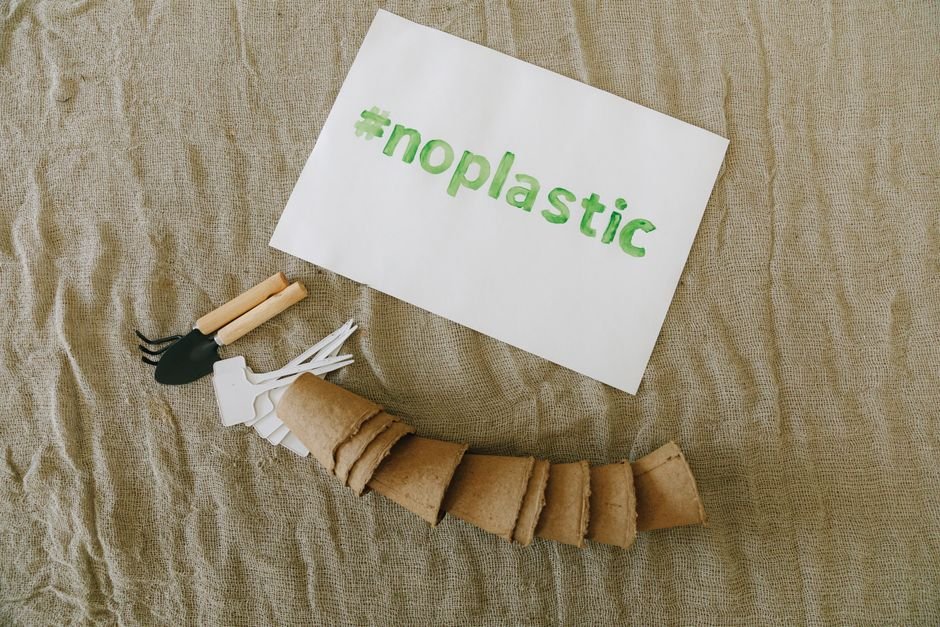
Innovation in material science has paved the way for exciting new trends. Mushroom-based foams, seaweed films, and reinforced recycled paper are replacing traditional petroleum-based plastics. These trends are not merely aesthetic; they are functional, durable, and significantly easier to dispose of in a circular system.
When selecting your materials, consider the entire lifecycle of the container. Eco-Friendly Packaging should be designed for easy recycling or home composting. Using soy-based inks and water-activated tape are simple, high-impact changes that elevate your brand’s sustainability profile without compromising structural integrity.
Optimizing Supply Chains with Eco-Friendly Packaging
The efficiency of your supply chain is intrinsically linked to your choice of materials. Lightweight, Eco-Friendly Packaging reduces shipping costs and lowers the carbon emissions associated with logistics. By rightsizing your boxes, you minimize “air shipping” and maximize container density. This technical optimization is a cornerstone of modern logistics, as outlined in guides from the UPS Sustainability Center.
| Material Type | Primary Benefit | Sustainability Rating |
|---|---|---|
| Recycled Cardboard | High Durability | Excellent |
| Mushroom Foam | Fully Compostable | Superior |
| Seaweed Film | Rapid Decomposition | High |
| Recycled Plastic | Circular Economy | Moderate |
The table above illustrates that while traditional recycled cardboard remains the industry standard, cutting-edge materials like mushroom foam offer superior end-of-life outcomes. Choosing the right material for Eco-Friendly Packaging depends on your product’s weight, fragility, and storage requirements.
Maximizing Brand Loyalty Through Sustainability
The unboxing experience is a critical touchpoint in the customer journey. When you utilize Eco-Friendly Packaging, you are sending a silent message about your company’s ethics. Customers are increasingly willing to pay a premium for brands that demonstrate a genuine commitment to reducing their environmental impact. This creates a powerful feedback loop where sustainability drives revenue, which in turn allows for further investment in green technology.
Ready to Build, Fix, or Scale Your Website?
One Code Stream engineers high-speed, conversion-focused websites, custom web applications, and e-commerce solutions for global businesses. Let’s turn your vision into measurable digital growth.
Furthermore, Eco-Friendly Packaging design allows for creative storytelling. Using the interior of a box to explain how to properly compost the material or recycle the components transforms a utility item into an educational tool. This level of engagement builds a deeper, more emotional connection between the consumer and the brand.

We must also address the misconception that green materials are fragile. Modern manufacturing techniques have allowed Eco-Friendly Packaging to match, and sometimes exceed, the durability of traditional materials. By utilizing reinforced paper structures and origami-inspired folding techniques, designers are creating protective shells that require no plastic reinforcements at all.
Technical Strategies for Implementation
To successfully integrate Eco-Friendly Packaging into your business, you must audit your current waste output. Identify where excessive materials are used and where non-recyclable components can be swapped. Start small by replacing plastic bubble wrap with honeycomb paper or shredded recycled cardboard. These granular changes, when scaled, result in massive reductions in landfill contributions.
Another technical strategy involves modular packaging design. By creating a standardized box system that fits multiple product sizes, you reduce the need for custom dies and excessive inventory. This not only supports Eco-Friendly Packaging goals but also simplifies your warehouse operations. Precision is the key to both sustainability and profitability.
Finally, consider the regulatory landscape. Many regions are implementing strict bans on single-use plastics. By proactively adopting Eco-Friendly Packaging, you future-proof your business against upcoming legislation. Staying ahead of the curve is a hallmark of elite technical management.
In conclusion, the shift toward sustainable design is an inevitable evolution of commerce. By treating Eco-Friendly Packaging as a strategic asset rather than a cost center, you position your brand as a leader in the global market. The combination of material innovation, supply chain optimization, and consumer-focused storytelling ensures that your brand remains competitive and environmentally conscious for years to come.
Remember that the journey toward sustainability is iterative. Continue to test new materials, refine your shipping processes, and listen to your customers’ feedback. As you optimize your Eco-Friendly Packaging, you contribute to a healthier planet and a more robust, resilient business model that stands the test of time.